P. O Box 2166
Mwanza-Tanzania
People who participated in the preparatory meetings to initiate the organization. Founding members shall not be liable to pay membership fees but shall pay other contributions as determined from time to time by the GA
These are those showing interest to join the organization. Joining members shall pay membership fee and other contributions as shall be determined by the General Assembly.
These are members nominated by the board and granted honorary membership as deemed necessary. The honorary members are not linked to financial liabilities and don’t have a right to vote.
To contribute to improved health indicators and functionality of CYWDs by facilitating access to quality CBR and healthcare services
To support increased enrollment, retention and transition of CYWDs by facilitating access to inclusive age appropriate quality education.
To enhance the economic resilience, self-reliance and social inclusion of YWDs and or their caregivers through capacity development and linking.
The organisation is still working on the strategic objectives and interventions for this strategic focus
The organisation is still working on the strategic objectives and interventions for this strategic focus
The organisation is still working on the strategic objectives and interventions for this strategic focus
Child Empowerment. Child Empowerment means increasing the child’s personal, social, educational and economic strengths. The strategy consists of two elements:
This focus area contributes to attainment of SDG 4 : Ensure inclusive and equitable quality education and promote lifelong learning opportunities for all
The organisation is still working on the strategic objectives and interventions for this strategic focus
---------------------
---------------------
This strategic focus area is concerned with enhancing access to comprehensive specialized preventive, curative and rehabilitative care services for children and youngsters with disabilities(CYWDs). The overall aim of the pillar is to support CYWDs to attain the highest level of health that is possible.
This focus area contributes to attainment of SDG 4 : Ensure inclusive and equitable quality education and promote lifelong learning opportunities for all.It also in line with National Inclusive Education Strategy 2018-2021 and National Education Policy 2014 . Persons with disabilities are less likely to have attended school and are more likely to be illiterate than persons without disabilities. Children with disabilities tend to attend special schools, special units in mainstream schools or “inclusive places” in mainstream schools, rather than inclusive education. Most of the emphasis on inclusive education has been at the primary school level, making it harder for children with disabilities to enter secondary education.Barriers to education include lack of a formal assessment system; lack of trained teachers; lack of accessible learning materials; inaccessible school environment (including toilets); overcrowding; poverty; extra costs; distance to school; concerns over safety; negative parental attitudes; negative attitudes of teachers and peers; risk of sexual abuse; early marriage; and low awareness and sensitivity to disability issues by government policy makers and other stakeholders.
This focus area addresses social-economic challenges facing people with disabilities(PwDs). PwDs face difficulties in accessing employment opportunities. Very few employees in the formal sector are persons with disabilities. Most employed people with disabilities were employed in agricultural, commercial and food crop activities, especially women with disabilities. Barriers to employment and livelihoods include low expectations of persons with disabilities’ abilities; stigma; poverty; concerns over cost; poor enforcement of legislation; lack of entrepreneurship skills; low level of education; low capital; unfriendly business spaces; and unfriendly district and municipal councils’ business by-laws. Education, support of family members, positive attitudes, and an entrepreneurial spirit, help persons with disabilities carry out income generating activities(Source: SITANs by IDS).
The SITANs by IDS indicates that the Human Rights Situation Report for January – June 2018 recorded that that violence and discrimination against people with disabilities continue to be major challenges, hindering them from fully realising their rights (LHRC & ZLSC, 2018, p. 51). Domestically and within communities, people with disabilities are subject to discrimination and psychological violence (LHRC & ZLSC, 2018, p. 155). People with disabilities are reported to be more vulnerable to violence generally, especially physical and sexual violence, which of starts at an early age and continues in one form or another throughout their lives (LHRC & ZLSC, 2018, p. 155, 345; FCS, 2017, p. vi; Mrisho et al, 2016, p. 17; ADD International, 2017, p. 6). Women with disabilities are reported to be being sexually exploited, threatened, mistreated, or abandoned, including by their families (Mrisho et al, 2016, p. 17, 52; ADD International, 2017, p. 4, 6). Women and girls with intellectual disabilities are especially vulnerable, with one study finding that ‘nine out of ten girls and women with intellectual disabilities were sexually abused, often frequently, without intervention from family or community’ (ADD International, 2017, p. 6).
Children with autism are also especially vulnerable as they are believed to be cursed as they look like other children but behave differently, and their treatment means they often die young (African Initiatives, 2018, p. 23). Infanticide has been reported of children with complex disabilities amongst the Maasi (African Initiatives, 2018, p. 23).
NB.The organisation is still working on the strategic objectives and interventions for this strategic focus
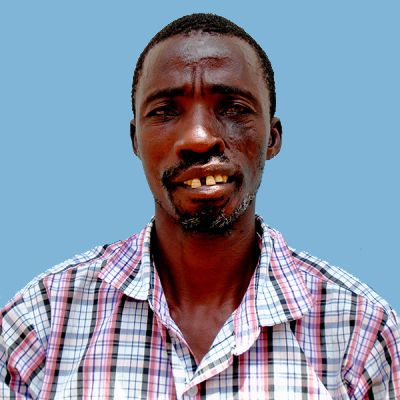
Executive Director
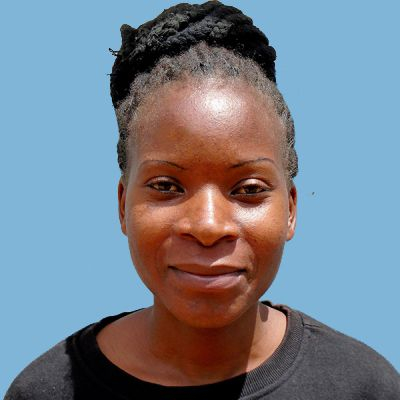
Finance Officer
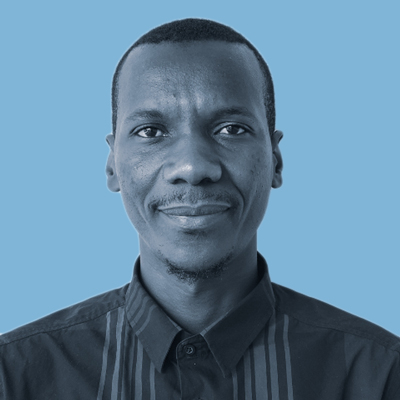
ICT Officer
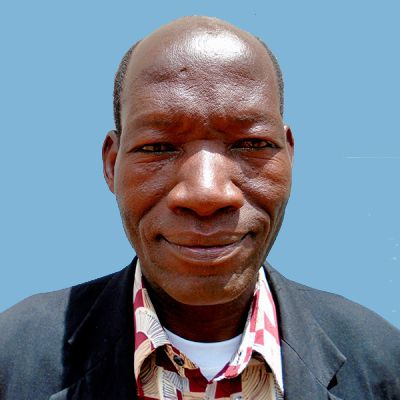
Field Work
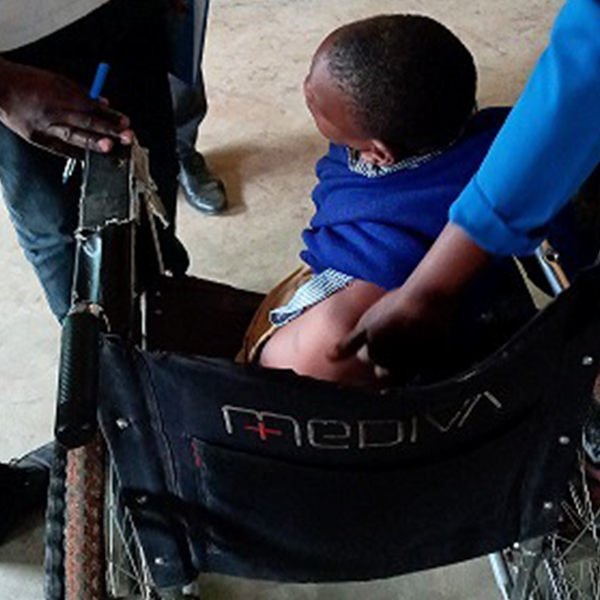
Cerebral Palsy
Kulwa is a ten years old boy with cerebral palsy. He attends school at Wita special needs unit. In February 2020, Kulwa was given a wheelchair by a donor organization. His family was happy because the wheelchair helped him move from one place to the other place.
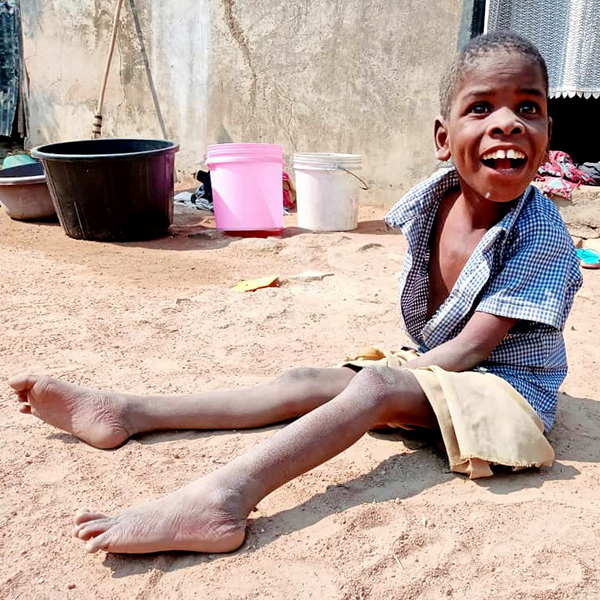
Disability is a Curse
Anthony Juma, a nine years old boy with Athetoid Cerebral Palsy, The assessment team was introduced to Anthony by Beyond Giving staff who had previously tried to assist him by giving a loan to his mother for her to use for an income generating activity.
Siku ya Kimataifa ya Wanawake Duniani ilifanyika katika wilaya ya Misungwi Mkoa wa Mwanza, na kuhudhuriwa na mgeni rasmi, Mkuu wa Mkoa wa Mwanza Bw. Amos Makalla.
Dear Valued Partners, We are delighted to inform you that BEYOND GIVING LTD will change its LOGO on May 25, 2022. The new logo is a part of the ongoing social activities we are dealing with. after 10 years of establishment, with the hope of contributing our society further.
We are pleased to announce the launch of our brand-new website! After few weeks of hard work and dedication, we are delighted to officially announce the launch of our new website.